
Antoun Najjar
MD, MSc, FEBOphth
Protecting Your Vision in the Digital Age
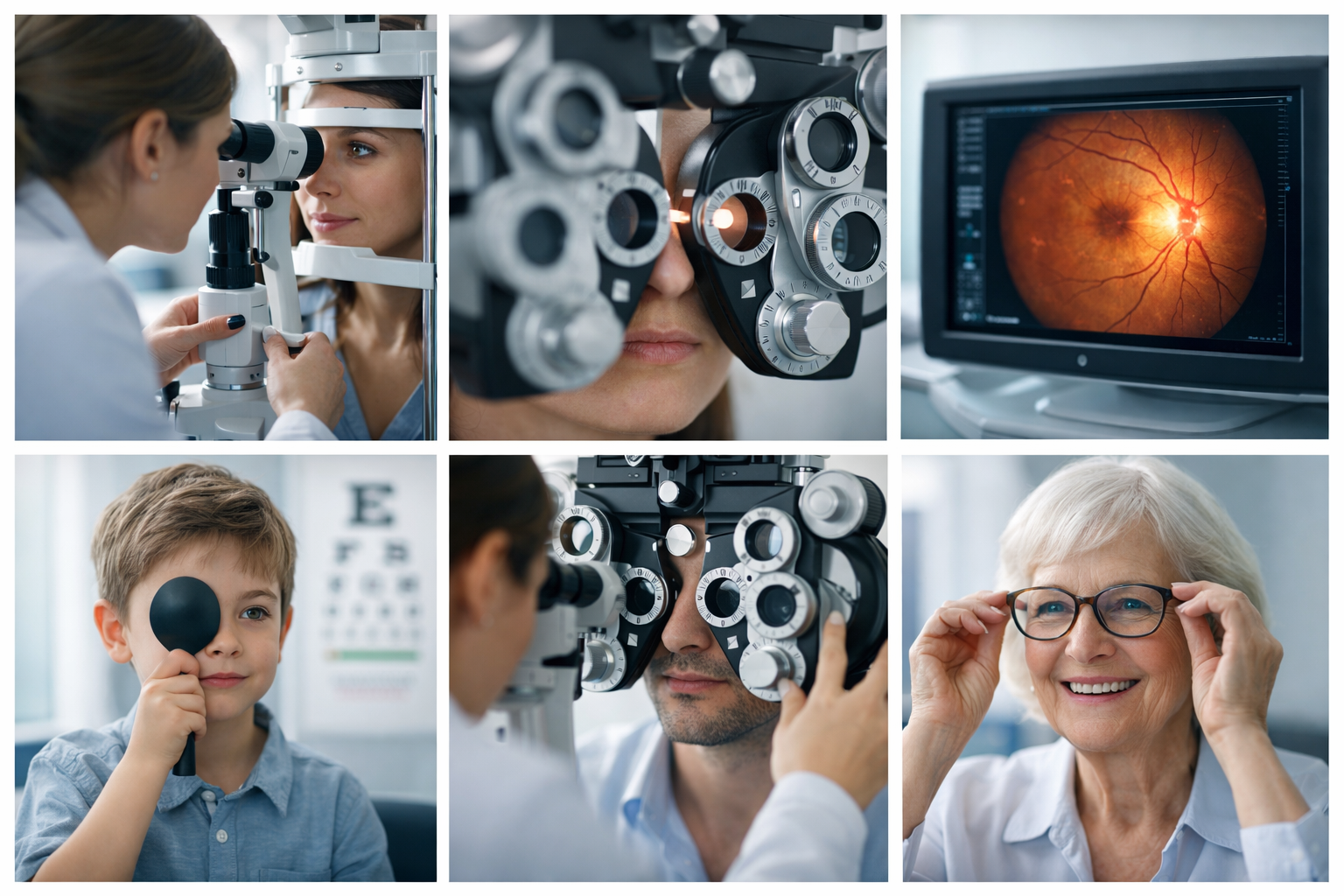
Digital devices are an essential part of modern life, but prolonged screen use can place significant strain on the eyes. Digital eye strain may cause symptoms such as dryness, blurred vision, headaches, and eye fatigue. These effects are often the result of reduced blinking, improper lighting, and extended focus on screens. Simple habits can help protect…
Premium Intraocular Lenses: Seeing Beyond Cataracts
Premium intraocular lenses (IOLs) represent an advanced option for patients undergoing cataract surgery who want enhanced visual outcomes. Unlike standard lenses, premium IOLs are designed to address specific vision needs and reduce dependence on glasses after surgery. There are several types of premium lenses available, including aspheric lenses for improved contrast, toric lenses for astigmatism…
Children’s Eye Health: Signs Parents Should Not Ignore
Healthy vision is essential for a child’s learning, development, and overall well-being. Many childhood eye conditions are not obvious, and children may not realize their vision is impaired. Regular eye exams and early screening play a crucial role in identifying problems before they affect academic performance and social development. Warning signs parents should watch for…
Dry Eye Disease: Causes, Symptoms, and Effective Treatments
Dry eye disease is a common and often chronic condition caused by an imbalance in the tear film. It may result from reduced tear production, poor tear quality, environmental factors, hormonal changes, or prolonged screen use. Symptoms include burning, stinging, redness, irritation, fluctuating vision, and a gritty sensation in the eyes. Modern lifestyles—especially extended digital…
Retinal Diseases: Modern Treatments That Preserve Vision
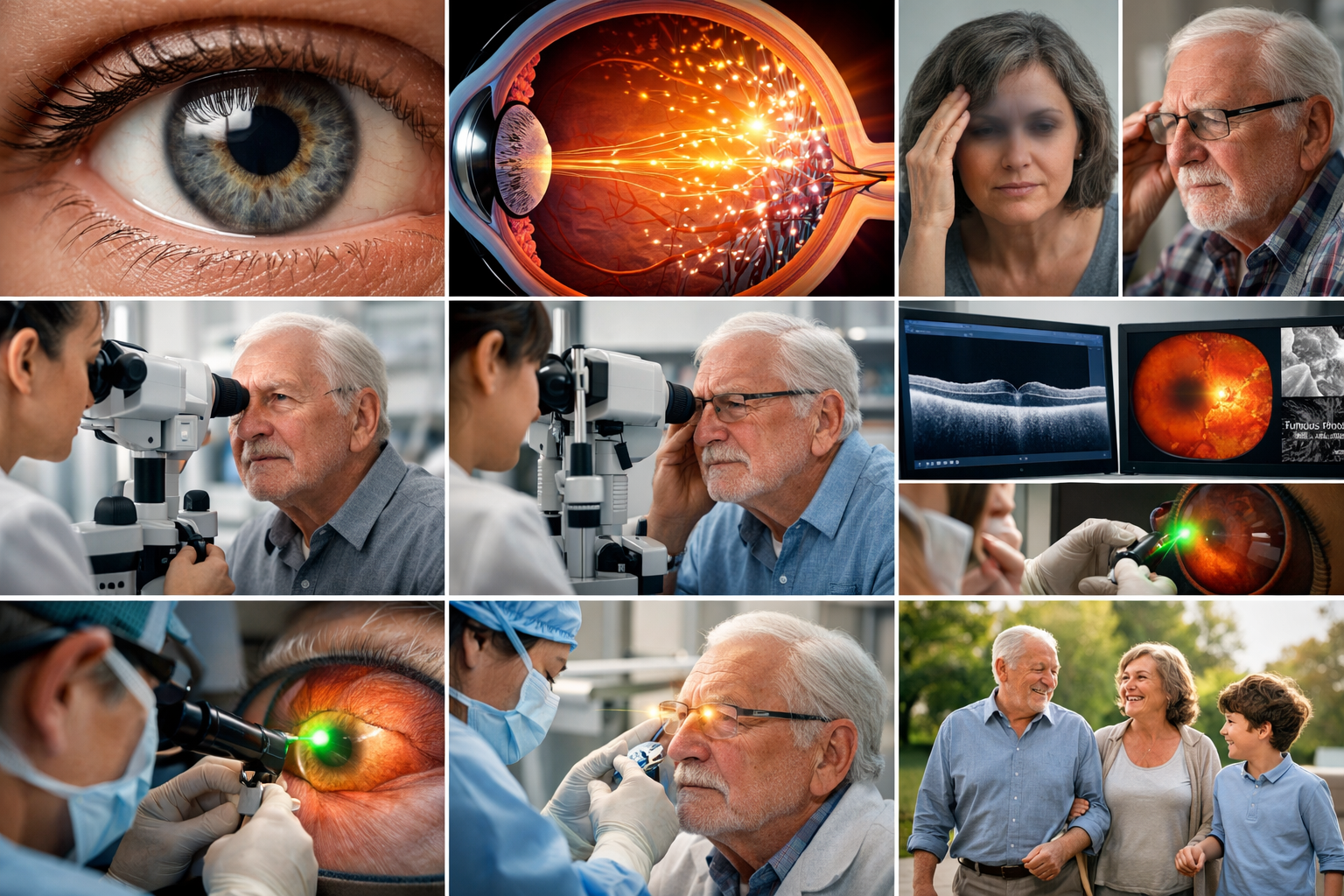
The retina plays a crucial role in vision by converting light into signals sent to the brain. Retinal diseases can affect central vision, peripheral vision, or both, and may progress rapidly without timely treatment. Conditions such as diabetic retinopathy, retinal vein occlusion, and age-related macular degeneration require careful monitoring and specialized care. Many retinal diseases…
Glaucoma: The Silent Threat to Vision
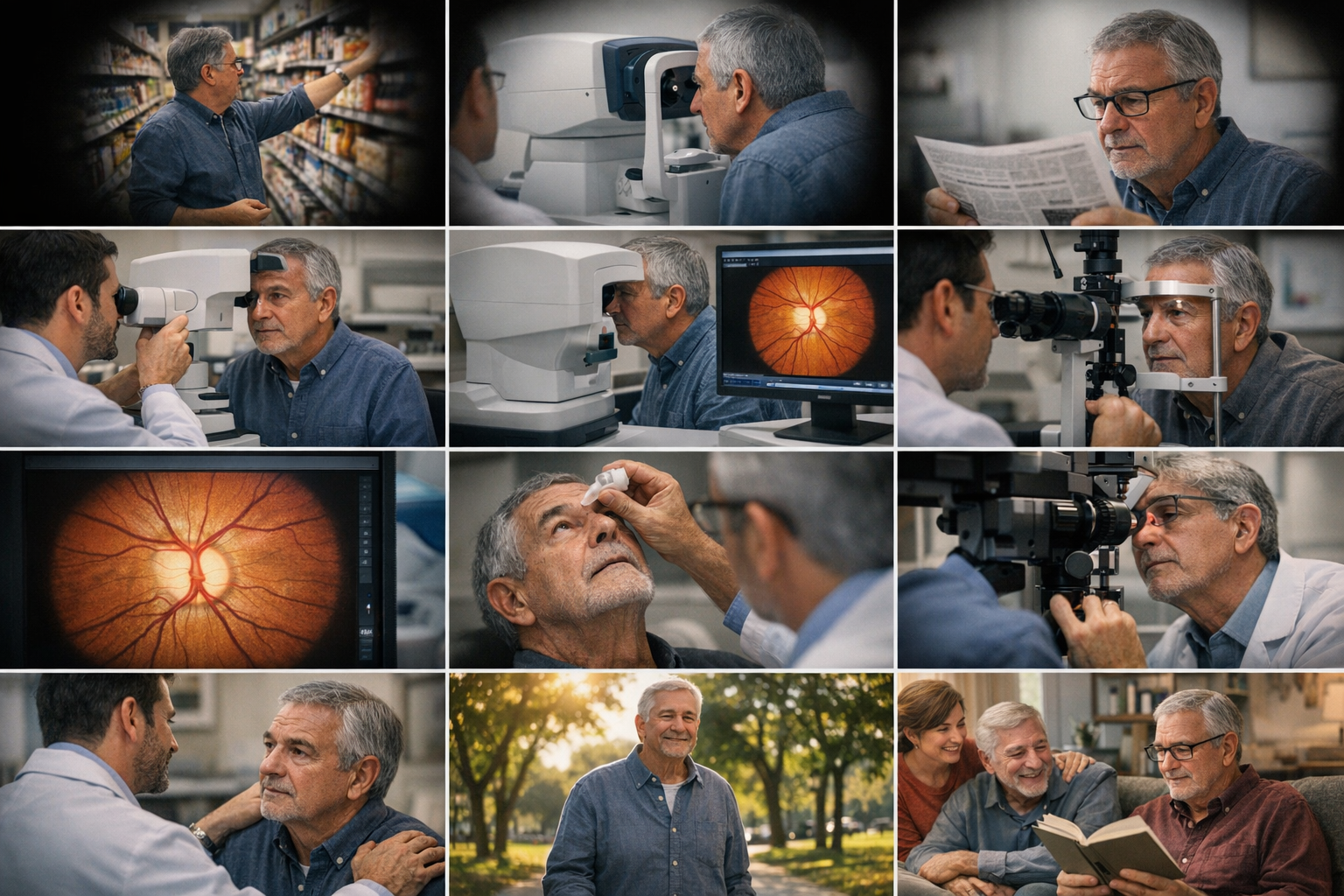
Glaucoma is a serious eye disease that damages the optic nerve and can lead to permanent vision loss if left untreated. It is often called the “silent thief of sight” because it typically develops without noticeable symptoms in its early stages. Many people are unaware they have glaucoma until irreversible vision damage has already occurred….
After-Cataract (Posterior Capsule Opacification) and YAG Laser Treatment

After-cataract, medically known as posterior capsule opacification (PCO), is a common condition that may develop months or even years after successful cataract surgery. Although the cloudy natural lens has been removed, the thin membrane supporting the artificial lens can gradually become cloudy, causing vision to appear blurred, hazy, or dim again. Some patients also notice…
Cataracts: Symptoms, Treatment Options, and Recovery
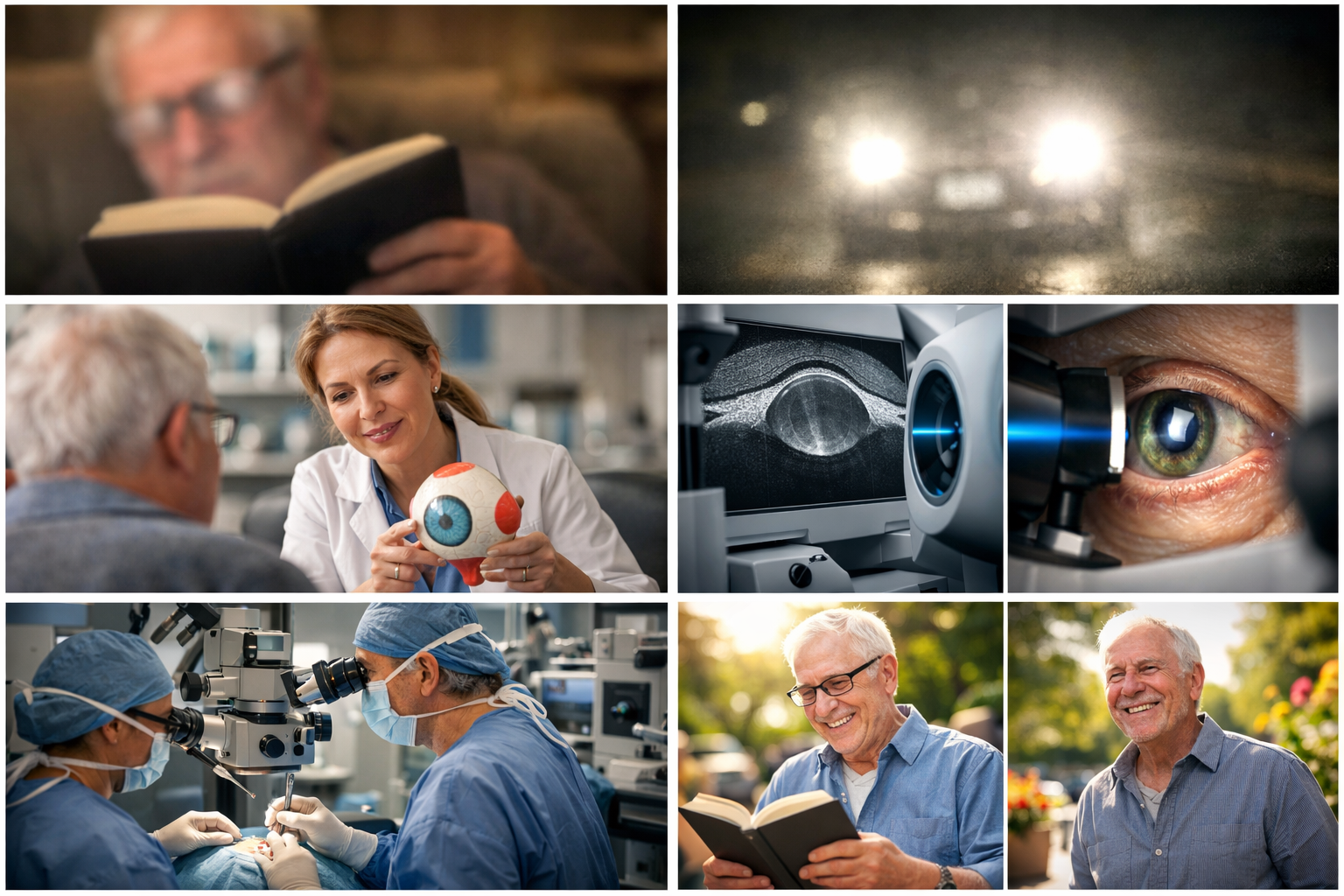
Cataracts are a common age-related eye condition caused by gradual clouding of the eye’s natural lens. As cataracts develop, vision becomes blurred or dim, colors may appear faded, and glare from lights—especially at night—can make activities like driving or reading difficult. Because cataracts progress slowly, many people adapt without realizing how much their vision has…